
Difficulties
Funky Friday difficulties explained: Easy through Insane ratings, 4K, 6 key and 9 key modes, note speed, downscroll and offset settings that fit your hands.
Introduction
Difficulty in Funky Friday is two dials, not one: the rating tier of a chart and the key mode you play it in. The rating ladder runs Easy, Normal, Hard, Expert and Insane, and each step up adds arrow density, longer streams and tighter timing windows on top of a per-song star rating that fine-tunes the spread within a tier. The key-mode dial is separate: charts are laid out for 4K by default — four arrow lanes — but many songs also ship 6 key and 9 key arrangements that widen the playfield and force new finger groupings long before the rating tier changes. Layered over both is the Settings menu: note speed, scroll direction and audio offset do not change what a chart asks of you, but they decide whether you can read it at all. This section maps the whole system — what each tier feels like, when the higher key counts unlock their real challenge, and which settings top players touch first.
Rating Ladder & Key Modes
| Difficulty | Arrow Density | Key Modes | Built For |
|---|---|---|---|
| Easy | Sparse arrows, slow scroll | 4K | C First sessions |
| Normal | Steady patterns, gentle streams | 4K | C Chart reading practice |
| Hard | Dense streams and jumps | 4K / 6 key | B The standard lobby pick |
| Expert | Serious hand speed, sustained runs | 4K / 6 key | A Accuracy grinders |
| Insane | Top-end charts, 9 key arrangements | 4K / 6 / 9 key | S Full-combo hunters |
Core Mechanics
Every chart's challenge is produced by four levers working together. Rating tier sets the baseline: how many arrows per second the chart demands and how long its hardest section lasts. Star ratings refine within tiers, so one Hard chart can play meaningfully tougher than another. Key mode multiplies the physical demand — 4K maps four lanes to comfortable key positions, while 6 key adds two lanes and 9 key demands genuine hand repositioning mid-stream. Finally, per-chart arrangements matter: the same song can be re-charted for higher key counts with different patterns, not just extra lanes. Settings do not touch the chart but shape its readability: note speed controls how far ahead you can see, downscroll or middlescroll changes where your eyes rest, and audio offset aligns the track with the receptor line on your device. Master the dials separately and any chart becomes a readable, learnable object rather than a wall.
Advantages
The two-dial difficulty system is quietly the fairest part of Funky Friday. Because tiers and key modes are independent, progression is always available at your exact edge: a player grinding Expert 4K and a veteran on Insane 9 key can share the same lobby and the same song, each with a fair challenge. Star ratings within tiers mean fine-grained stepping — there is always a next chart only slightly harder than your last clear. The settings layer is the other advantage: the game lets you re-shape readability (note speed, scroll, offset) instead of forcing one visual format, which is why players on very different devices and screens can compete on the same charts. And because higher key modes are arrangements rather than separate games, everything you practice at 4K — timing, stamina, recovery — transfers upward when you are ready for 6 and 9 key play.
Challenges
The difficulty spread has honest friction points. The jump from Hard to Expert is the steepest on the ladder — streams get long enough that raw stamina, not reading, becomes the limiter, and many players stall here longer than on any other step. Star ratings help but do not fully flatten it, since a high-star Hard and a low-star Expert can feel closer than the labels imply. Key modes have their own trap: 9 key charts are sparse outside the Insane tier, so practicing the mode means playing charts above your comfort sooner than the 4K path would require. Settings can also mislead — an offset tuned on one device transfers badly to another, and an extreme note speed that feels fast-and-fun on Easy turns unreadable the moment density rises. Every of these is fixable, but only after you recognize which dial is actually limiting you.
Frequently Asked Questions
What is the difference between Expert and Insane?+
How do I unlock and play 6 key and 9 key charts?+
What note speed and scroll settings should I use?+
Quick Tips
Move up a tier on accuracy, not clears. If you can 95-percent most of a tier's charts, the next tier is ready for you; if your Hard clears are 85 percent, more Hard practice pays more than Expert attempts. Accuracy-first stepping feels slower for a week and is faster forever — it is how full-combo players avoid building a plateau of half-learned charts.
Practice 6 key and 9 key on charts you already know by ear. Familiar music frees your attention for the new hand positions, which is the entire difficulty of higher key modes. Queue the 6 key arrangement of a song you have cleared dozens of times at 4K, drop a tier or two, and let muscle memory carry the timing while your fingers learn the lanes.
Tune offset before grinding accuracy. A constant mis-timing — always early or always late by the same amount — is an offset problem, not a skill problem, and no amount of practice fixes a calibration issue. Play an Easy chart you can nearly full-combo, adjust offset in small steps until Greats become Perfects, and only then judge your real accuracy on harder material.
Featured
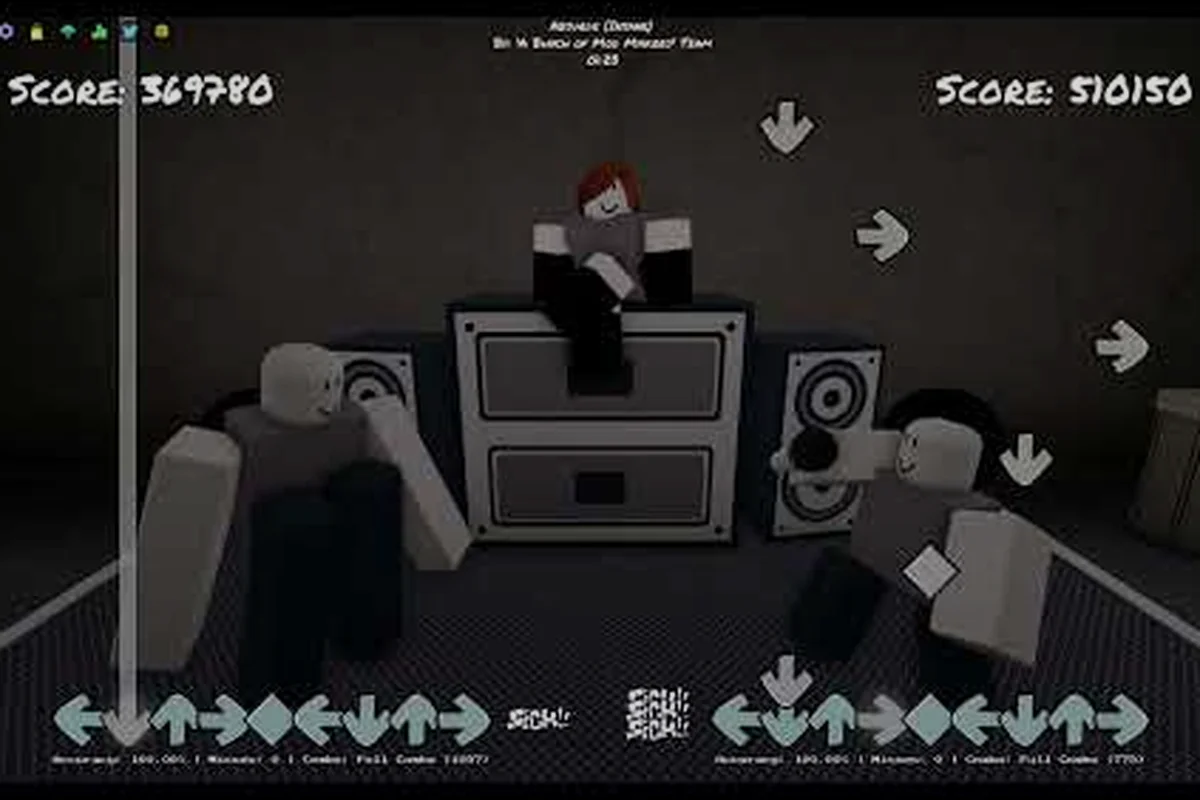
Funky Friday Audio Offset: Fix Sync and Tune Every Song
Solve Funky Friday audio offset problems with step-by-step sync fixes, star-rating breakdowns, and the easiest songs to calibrate your timing settings.
Funky Friday Difficulties: The Rating Ladder and Special Variants
Compare every Funky Friday difficulty tier — Easy, Hard, Expert, Insane, Crazy, Mania — and learn how 4K, 6-key, and 9-key charts change the challenge.
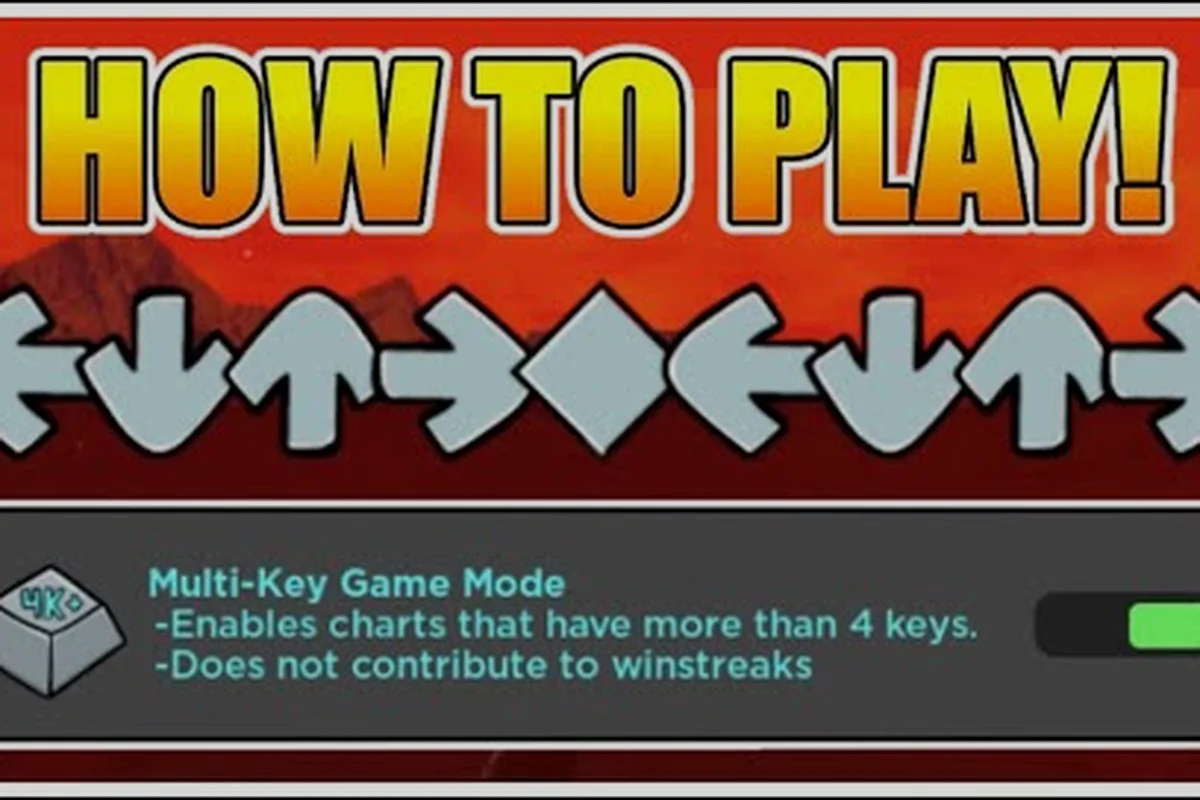
Funky Friday Difficulty Guide: 6-Key, 9-Key, and Mode Switching
Master the Funky Friday difficulty guide — learn how to switch between 6-key and 9-key modes, pick the right chart for your skill, and unlock tougher tiers.
All Articles
Funky Friday Difficulty List: Every Tier From Easy to Insane
Compare the full Funky Friday difficulty list — Easy, Normal, Hard, Expert, Insane, Crazy, Mania, and beyond — with note counts and what makes each tier tougher.
Funky Friday Note Speed: Best Settings and How to Change It
Find the best Funky Friday note speed for cleaner hits, learn how to adjust scroll speed, turn on downscroll, and tweak offset settings for smoother reads.
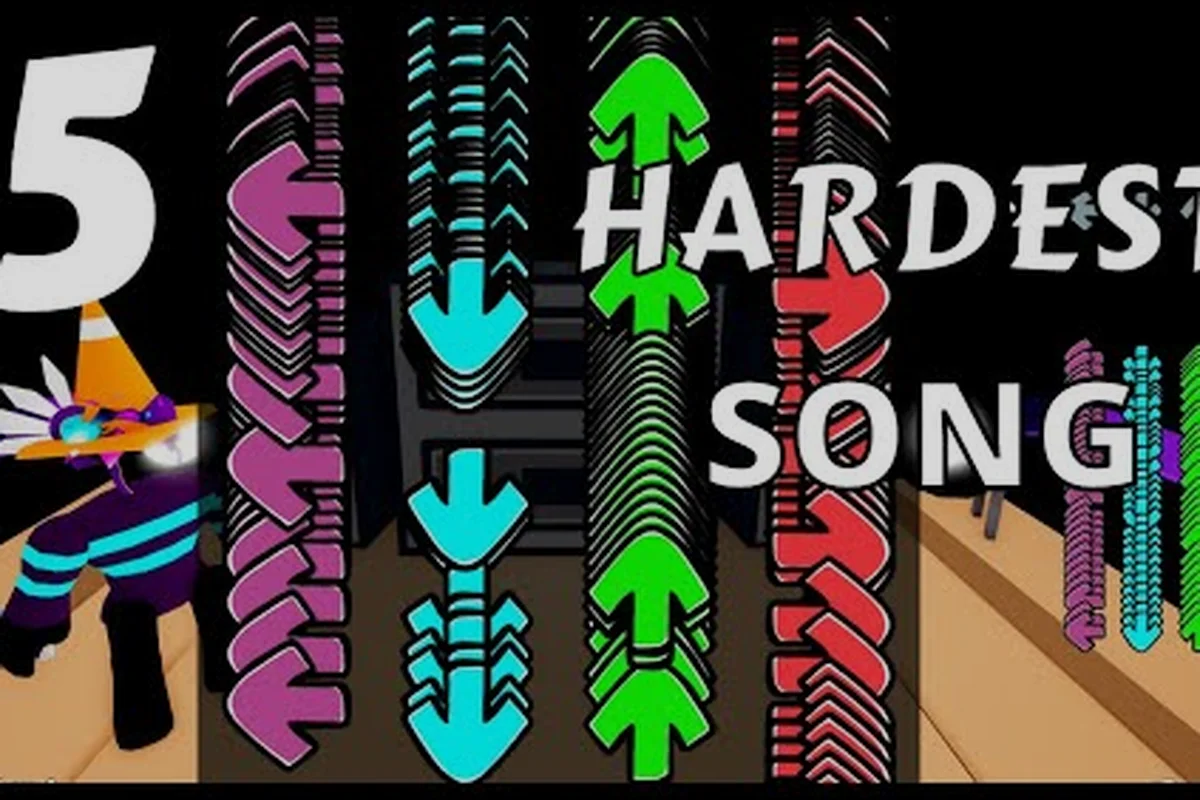
Funky Friday Expert Songs: Top Tracks and Insane Crossover Picks
Find the best Funky Friday expert songs to practice, see which charts stay exclusive to Expert versus Insane, and pick tracks that sharpen jack timing.