
Characters
Meet every Funky Friday character: Boyfriend, Daddy Dearest, the whole Week 1-7 cast plus boss rivals Animdude and Beatbox Cactus and the growing mod roster.
Introduction
Characters in Funky Friday are the faces of the charts: every song is staged as a battle against — or alongside — a specific character from the Friday Night Funkin' universe and its modding scene. The playable side is Boyfriend, the blue-haired protagonist whose animations you control and customize with Points. Against him stands a deep opponent roster: the base game walks through the Week 1-7 cast, from Daddy Dearest's opening trio of charts through Skid and Pump, Pico, Monster, Senpai and Spirit, and then layers original rivals on top — Animdude, the boss behind Fourth Wall, and Beatbox Cactus with its dedicated fight song. Beyond them, the 170+ mod library imports its own casts, from Trollge to the Lullaby ensemble. This section profiles who each character is, which songs they headline and what their charts demand, so you know exactly what you are signing up for when a lobby queues their track.
Roster Quick Reference
| Character | Role | Source | Headline Songs |
|---|---|---|---|
| Boyfriend | Playable protagonist | Base game | Every chart — you play as him |
| Girlfriend | Stage companion | Base game | Speakerside for all battles |
| Daddy Dearest | Week 1 antagonist | Base game | Bopeebo, Fresh, Dad Battle |
| Skid and Pump | Week 2 duo | Base game | Spookeez, South |
| Pico | Week 3 antagonist | Base game | Pico, Blammed |
| Mommy Mearest / Monster / Senpai / Spirit | Weeks 4-6 cast | Base game | Satellite-run week charts |
| Animdude | Boss rival | Fourth Wall | Fourth Wall |
| Beatbox Cactus | Boss rival | Original boss | Beatbox Cactus |
Core Mechanics
Functionally, characters in Funky Friday are chart hosts: the character tied to a song determines the staging, the animations that react to your performance, and the personality of the battle, but not the mechanical difficulty — that lives in the chart itself. Playing as Boyfriend, your cosmetic choices (animations, microphones, speakers) change what you and the lobby see, while opponents animate their own patterns as the track progresses. Boss characters add structure: fights against Animdude or Beatbox Cactus are framed as showdowns, usually with dedicated songs and heightened visual reactions at the chart's hardest sections. The mod cast extends the same system — each imported mod brings its characters as chart hosts with their own art and animation sets. Because characters are tied to songs rather than unlocks, meeting a new character is simply a matter of queueing their track, not grinding for them.
Advantages
The character system gives Funky Friday its personality and its progression feel at the same time. Because every chart is a face-off, clearing a new week feels like beating a rival, not clearing a level — and the boss fights against Animdude and Beatbox Cactus give the endgame memorable milestones that plain song lists rarely provide. The cast is also a curriculum: each character's tracklist concentrates specific chart styles, so learning Daddy Dearest's trio teaches timing discipline while the later weeks stretch reading speed. On the cosmetic side, character-adjacent customization — Boyfriend's animations, microphones and stage speakers — means the rewards you grind for are always visible in the next battle, which keeps the Points loop motivated. And since the mod cast keeps growing with every update wave, the roster is a renewable source of fresh opponents and fresh music alike.
Challenges
Characters are presentation, not mechanics, which can surprise players expecting fighter-style roster depth: you cannot unlock or switch playable characters, and an opponent's difficulty is entirely owned by their chart. That also means character coverage can be uneven — some mod characters arrive with a single song and never return, while base-game rivals dominate lobbies. The boss fights, for all their staging, are still rhythm charts: if you were expecting attack patterns or phases in the fighting-game sense, the difficulty spike is musical, not mechanical. Cosmetic visibility has limits too — elaborate animations and microphone skins read best up close, and in a full 20-player lobby most opponents will never see your loadout. Finally, a few of the mod cast's older art ports show their age next to polished headline events like Lullaby.
Frequently Asked Questions
Who do you play as in Funky Friday?+
Who are the boss characters and how do I beat them?+
Do mod characters work differently from base-game ones?+
Quick Tips
Read opponents as metronomes. Each character's animations hit their accents on the beat, so when a chart's density climbs and your eyes fall behind, watching the rival's movement keeps you locked to the tempo. It is a small habit that rescues streaks in exactly the sections where charts usually break — the spikes at the back half of boss tracks.
Farm your first cosmetics in the weeks you know best. Cosmetics are visible on Boyfriend in every battle, so grinding charts you already enjoy — usually the early weeks — pays the same Points as slogging through unfamiliar mod tracks. Save the novelty characters for after your animation collection makes the grind itself look good.
Queue boss fights with a purpose: one warm-up pass, two serious attempts, then move on. Animdude and Beatbox Cactus charts punish tired hands, and their length means a failed attempt costs real minutes. Short, focused sets against the bosses — with the two-attempt rule — convert their difficulty into steady, measurable progress instead of highlight-reel fails.
Featured
Funky Friday All Characters: Full Roster From Boyfriend to Sky
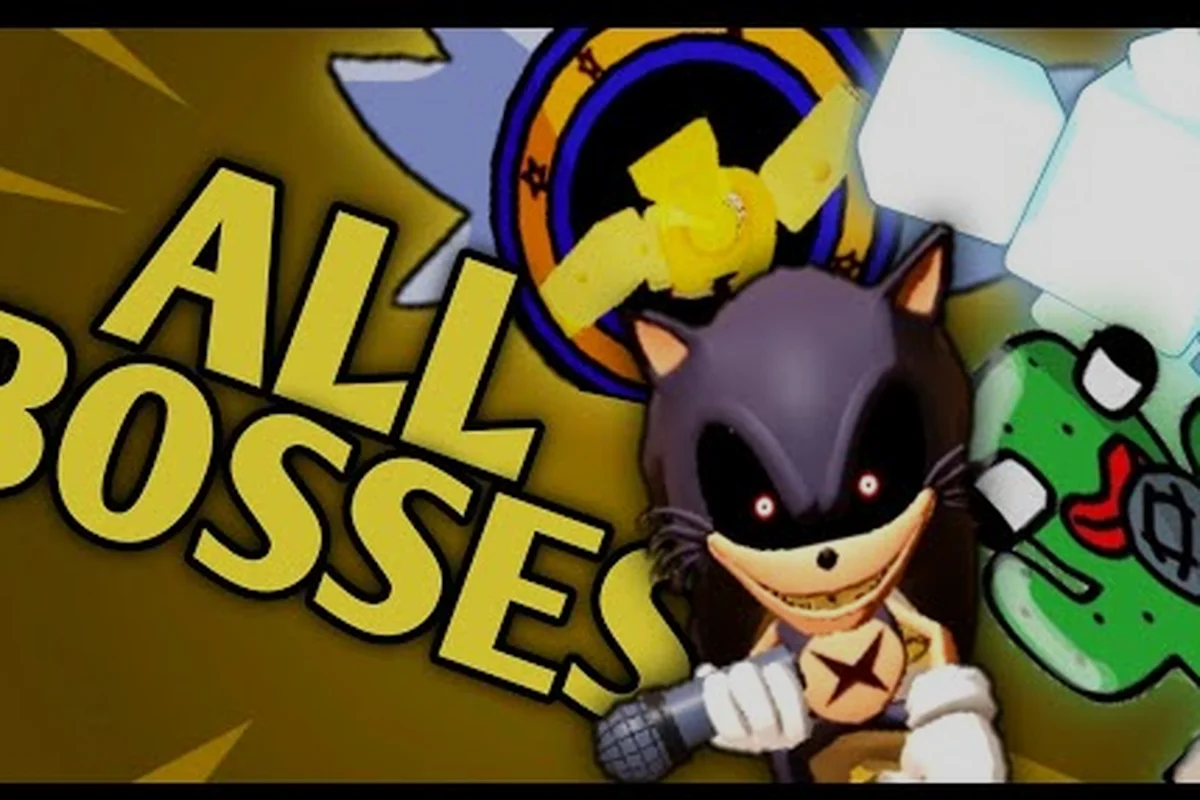
Browse the complete Funky Friday all characters roster from Boyfriend and Girlfriend to Tricky, Whitty, and Sky, with every base-game and mod fighter mapped.
Funky Friday Beatbox Cactus: Boss Song, Reward, and Return Rumors
Learn how the Funky Friday Beatbox Cactus boss track worked, what the Cactus Guard animation reward offered, and whether the fight ever returns.
Funky Friday Character Wiki: Lore, Songs, and Story Explained
Dive into the Funky Friday character wiki — meet the Week 1 lineup, learn each fighter's lore, and find which characters bring the hardest songs to the table.
All Articles

Funky Friday Event Characters: Seasonal Bosses and Drops
Funky Friday event characters arrive with Halloween and seasonal drops — learn how each limited boss unlocks and which fighters stay exclusive afterward.
Funky Friday Girlfriend: Origins, Role, and FNF Cameo Explained
Meet Funky Friday Girlfriend — the deuteragonist from Friday Night Funkin' and how her presence shapes the Roblox rhythm experience.
Funky Friday New Characters: Latest Additions and Fan Favorites
Track Funky Friday new characters from recent updates, including fan-favorite picks like Trollge and Nonsense, plus the rarest faces showing up in matches.